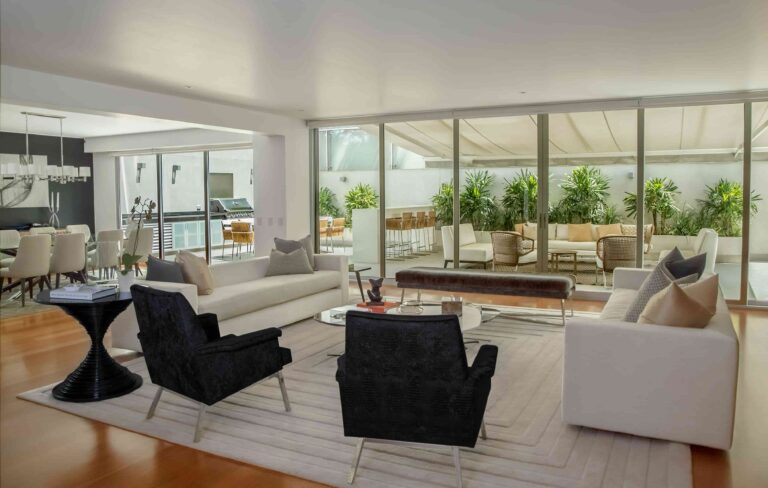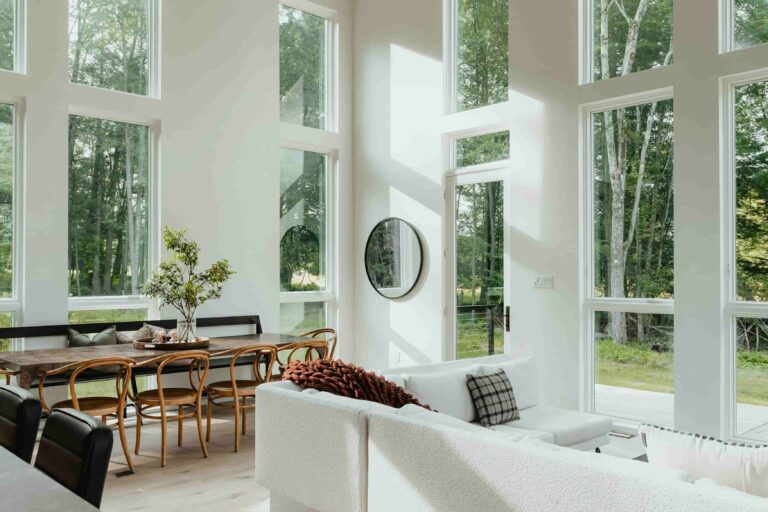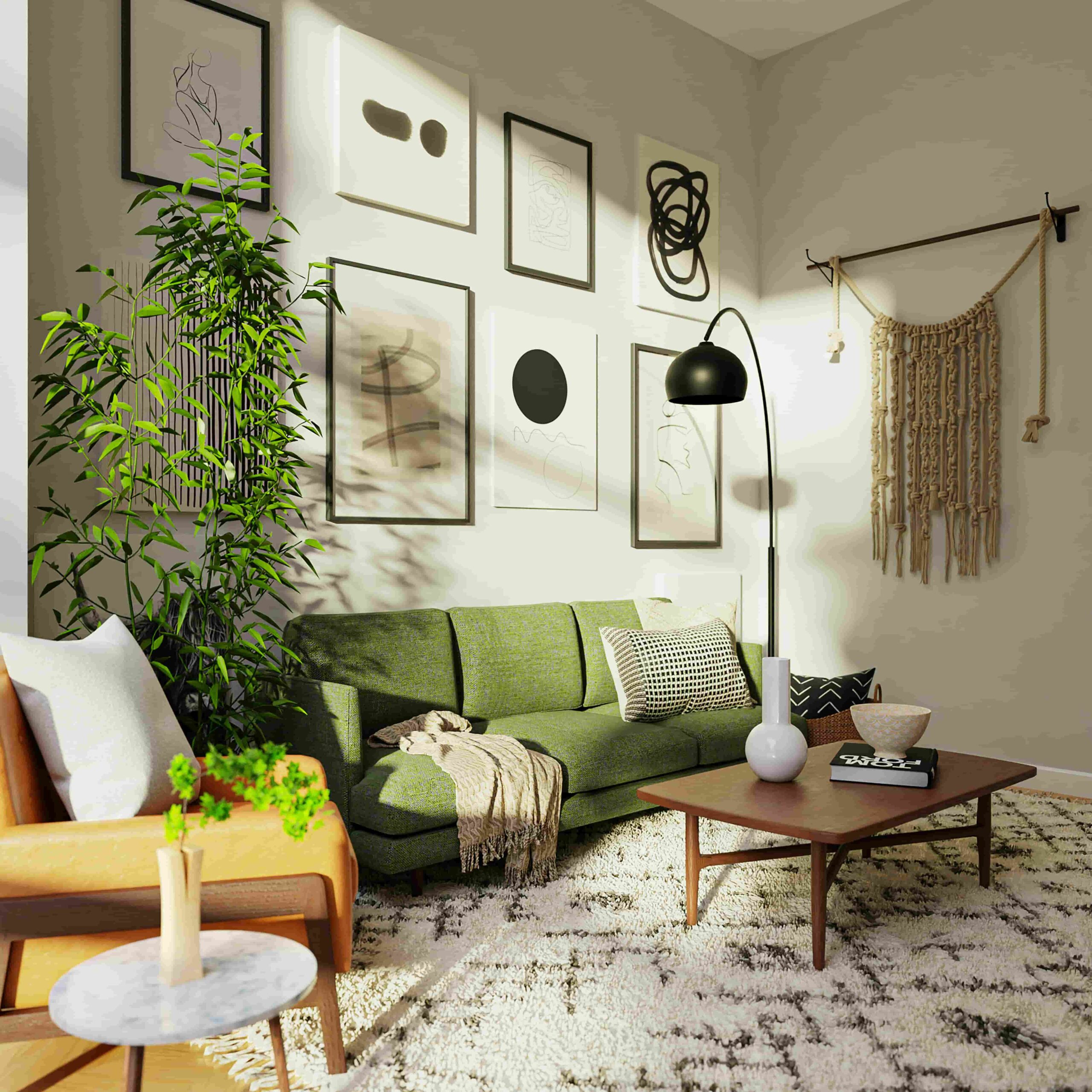

When Australians prepare to sell a home, there is an increasingly common ritual: the arrival of the property stylist. Out go the lived-in sofas, the clutter of children’s toys, the too-personal family photographs. In comes a curated selection of pale linen lounges, designer lamps, artwork with mass appeal, and a strategically placed fiddle-leaf fig.
Styling a home for sale has become so common in Sydney and Melbourne that some agents regard it as non-negotiable. But does it work, and more importantly, is it worth the cost?
Hiring a stylist is not a trivial expense. Depending on the size and type of property, the cost can range from $3,000 for a modest one-bedroom apartment to more than $10,000 for a large family home or luxury residence. This typically covers four to six weeks of rented furniture and décor, delivery, installation, and removal once the sale campaign ends. If the property remains unsold after that time, sellers face the choice of paying additional hire fees, extending the contract, or de-staging entirely.
On the surface, it might sound like money wasted on appearances. But the financial logic of styling becomes clearer once you look at the results. According to property services site Which Real Estate Agent, styled homes can sell for 7.5 to 15 per cent more than their unstaged counterparts. In a market where the average Sydney home still fetches more than $1.2 million, that uplift can easily translate to six-figure gains – dwarfing the styling bill.
Consider a case from Shorncliffe, Queensland, reported by staging company Stagency. A three-bedroom home, valued at about $880,000, was professionally styled ahead of auction. The styling fee came in around $7,000, but the reserve price was raised to $1 million – and the property eventually sold for $1.145 million. That’s a jump of more than $250,000, for a cost that amounted to less than one per cent of the final sale price.
The effect is not only in higher sale prices but also in time on market. Styled homes tend to sell faster, shaving weeks off a campaign and reducing the burden of mortgage repayments, rates, and upkeep. In slower markets, speed can be as valuable as price uplift. Styled photographs perform better online, and attract more buyers to inspections.”
Of course, there are caveats. Styling does not guarantee a windfall if the property itself has significant flaws or is priced unrealistically. Some sellers balk at the cost, particularly in regional areas where styling is less entrenched. And in a falling market, even a beautifully staged home may struggle to secure the desired uplift.
But for many vendors in competitive city markets, styling is viewed less as an optional luxury and more as a form of insurance. The upfront outlay, often less than one per cent of a property’s value, is considered a hedge against price reductions later.
In other words, property styling is not unlike taking out a small policy: you pay a premium now, and in return, you increase your odds of securing a quicker, higher sale. As the Shorncliffe case shows, when it works, the payoff can be extraordinary.