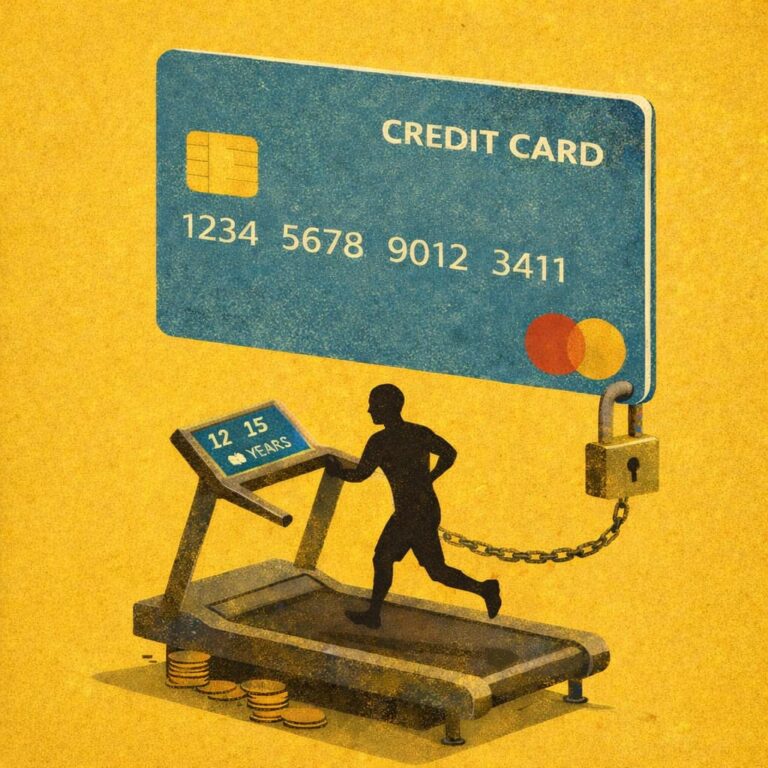

Travel and rewards credit cards suit people who put a large amount of spending through their card each month and pay the balance off in full.
In return, spending earns points that can be used for flights, flight upgrades (if available), airport lounge access, hotel stays, travel bookings, gift cards, or statement credits. e warned, however, that seat upgrades are possible, but they are not guaranteed.
These cards usually come with higher annual fees, typically $200-$400 more per year than low-fee cards, and sometimes more at the premium end. They tend to make sense if you:
– spend around $5,000 or more per month on your card
– rarely or never carry a balance
– actually travel or redeem (use) points regularly
– use rewards rather than just accumulating them passively
If you don’t meet these conditions, the higher annual fee and higher interest rates on these cards usually outweigh the value of the points (in that case, choose a low annual card instead).
Below are three standout travel and rewards cards, selected for how easily they earn points, the real-world value of their perks, and practical ways to turn points into flights and travel benefits, without needing unrealistic spending.
Our picks:

Best for Qantas points
Best for Virgin points
Best for non-travel points
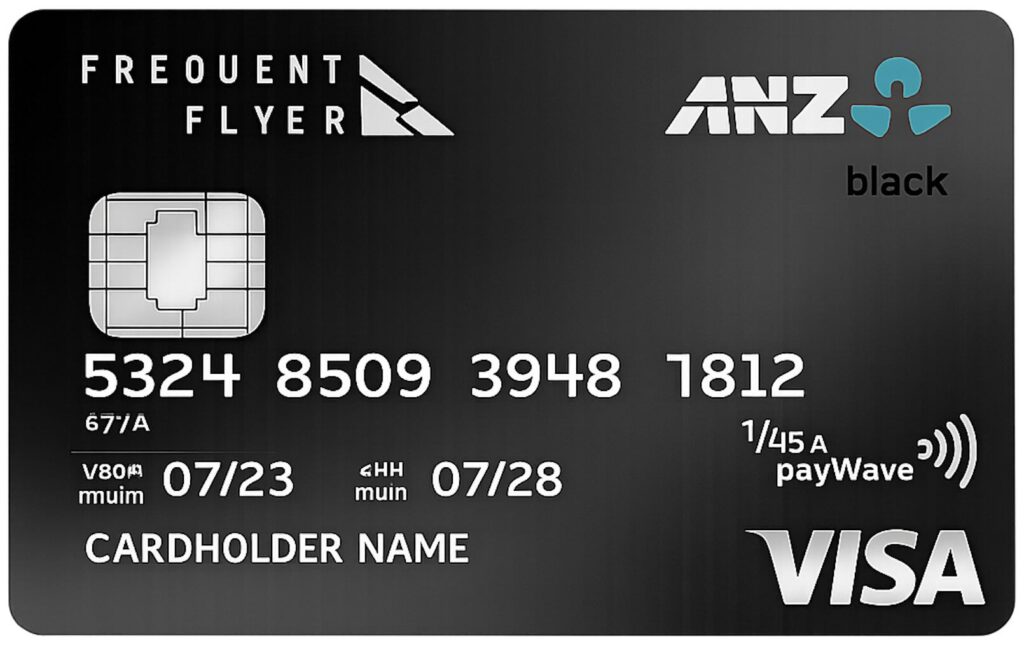
ANZ Frequent Flyer Black
For those who want Qantas Points – especially for international travel
This is the card you choose if you prefer flying with Qantas and you love international travel perks. Because every dollar you spend – on groceries, bills, shopping, technology, appliances – earns Qantas Frequent Flyer points automatically. Those points sit in your account, where you decide how to use them.
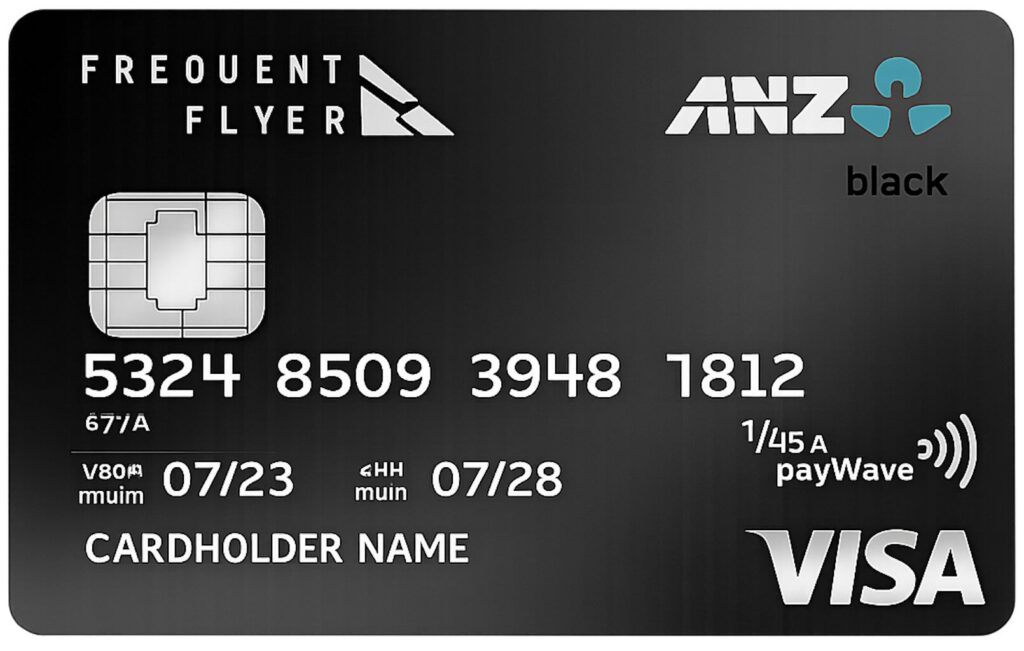
(Why this card is better than many others… With many rewards cards, spending first earns bank-issued rewards points, which sit in a separate account and must later be transferred to an airline. That extra step can involve delays, minimum transfers, or less-than-one-to-one conversion rates. By earning airline points directly, the ANZ Frequent Flyer Black removes that layer – points build automatically and are ready to use when reward seats appear.)
Through Qantas and its international partners, points can be redeemed for long-haul international flights, upgrades, and premium cabins – Premium Economy, Business Class, and, on some routes, First Class. In practice, most people use points to fly Business or Premium Economy, where points tend to deliver the greatest value.
Qantas Points can also be used for hotels, car hire, gift cards, and merchandise. These options are available, but they usually offer lower value than flights or upgrades. This is why airline-linked cards work best when travel is the end goal, even though the points themselves are not restricted to travel.
In short, everyday spending turns into frequent flyer points first. Those points can then be used for travel or non-travel rewards, but they tend to stretch furthest when redeemed for international flights and upgrades.
If your aim is to turn everyday spending into international travel, this card is a standout.
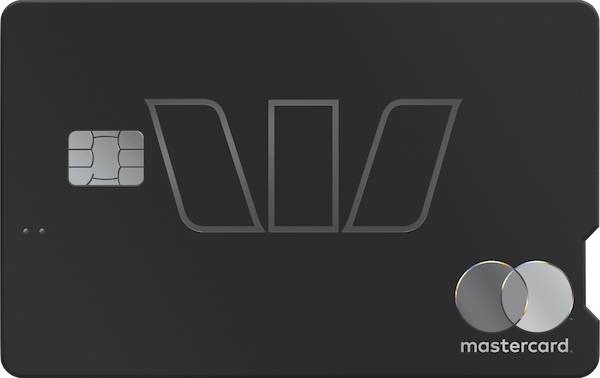
Westpac Altitude Velocity Black
For those who fly Virgin and focus on domestic travel
This card is best for people who like flying with Virgin for domestic travel.
The way it works is that all spending on the card earn Velocity Points, which are credited straight to your Velocity account. Points accrue on most everyday spending and can be used once they appear in your balance.
Velocity Points can be redeemed for Virgin Australia flights, seat upgrades, and seat-related perks, making this card especially useful for regular domestic flyers. These seat perks are Virgin-specific and typically include Economy X seating, which offers extra legroom and priority boarding on eligible domestic flights. Points can also be used to request upgrades from Economy to Business on Virgin flights, subject to availability. Upgrades are not guaranteed, but regular spending helps build the points balance needed to request them.
For international travel, Velocity Points can be used on partner airlines, as Virgin Australia no longer operates long-haul routes itself. Key partners include Singapore Airlines, Qatar Airways and Etihad, along with airlines such as ANA, United Airlines, Air New Zealand and Virgin Atlantic. This allows for international flights, including premium cabins on some routes, but availability is more limited than with larger programs such as Qantas. As a result, Velocity works best for domestic travel, with international trips as an occasional rather than primary use of points.
Velocity Points can also be redeemed for hotels, car hire, gift cards and merchandise. These options are available, but they generally offer lower value than flights or seat upgrades.
This card makes the most sense if you fly Virgin regularly, value extra legroom and boarding priority on domestic routes, and want your spending to translate directly into flights and seat improvements rather than broad lifestyle perks.
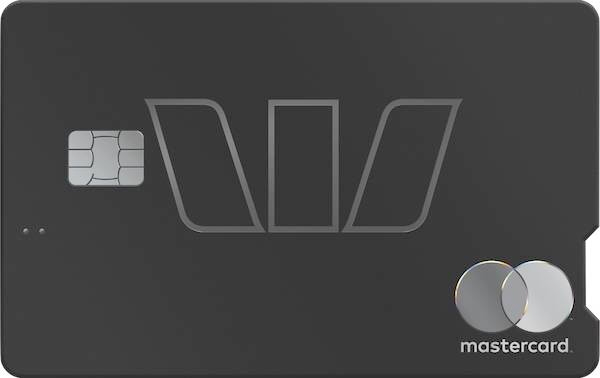
Westpac Altitude Rewards Black
For people who want rewards, but not always for travel
This is the card for people who want rewards but not necessarily for domestic and international travel.
Spending on the card earns Altitude points, which sit within Westpac’s rewards program rather than an airline scheme. Points accumulate through everyday spending and can be redeemed in several ways, depending on how you want to use them.
Altitude points can be used for statement credits that reduce your card balance, supermarket and department-store gift cards, electronics vouchers, home and kitchen items such as appliances or cookware, and digital vouchers for everyday services. This makes the card useful even in years when travel isn’t a priority.
In short, spending becomes rewards points first. Those points can then be used for travel or non-travel outcomes, including direct balance offsets. The value comes from choice, not optimisation.
This card suits people who:
- spend heavily across everyday categories
- want rewards as a financial benefit, not a travel strategy
- may travel some years and not others
- prefer flexibility
This is a rewards card built for flexibility. Travel is one use of points – but it’s not the only one, and it’s not required for the card to make sense.
If this card doesn’t sound like you, perhaps you need one of these other options (click below).


New Times does not offer personal financial advice.
The information on this site is general and intended to support long-term decision-making, not short-term optimisation.
We focus on products that make sense when held and used over time, rather than strategies that involve repeatedly switching cards to capture bonuses. While switching can occasionally be worthwhile, it often comes with hidden costs – time, effort, missed benefits, and higher fees – that are rarely discussed.