
Most people don’t aim to get into credit card debt. It mostly happens by accidental. A series of random purchases, or a period of low income, and suddenly they’re getting whacked by interest on their debt! One card can become two, and suddenly what began as a short-term tool hardens into long-term debt.
At this point, many people turn to platforms such as New Times and ask: which credit card is the best? – but that’s the wrong place to start. The more important question is much simpler:
How do I stop interest from piling up? How can I get out of credit card debt?
If you are carrying debt, the priority is not features or rewards. First and foremost, you must get out of debt. And fast.
If you have debt that you are struggling to repay you have two choices: The first is to use a 0% balance transfer card to pause interest entirely for a set period. The second is to move debt onto a card with a genuinely low ongoing interest rate and accept a slower, steadier exit.
Here are our Editor’s picks.
Our picks:

Best card if you can wipe out your credit card debt in 12 months
Best card if you need 2 years to wipe out your credit card debt

Best card if you have debt but want a very low-cost card
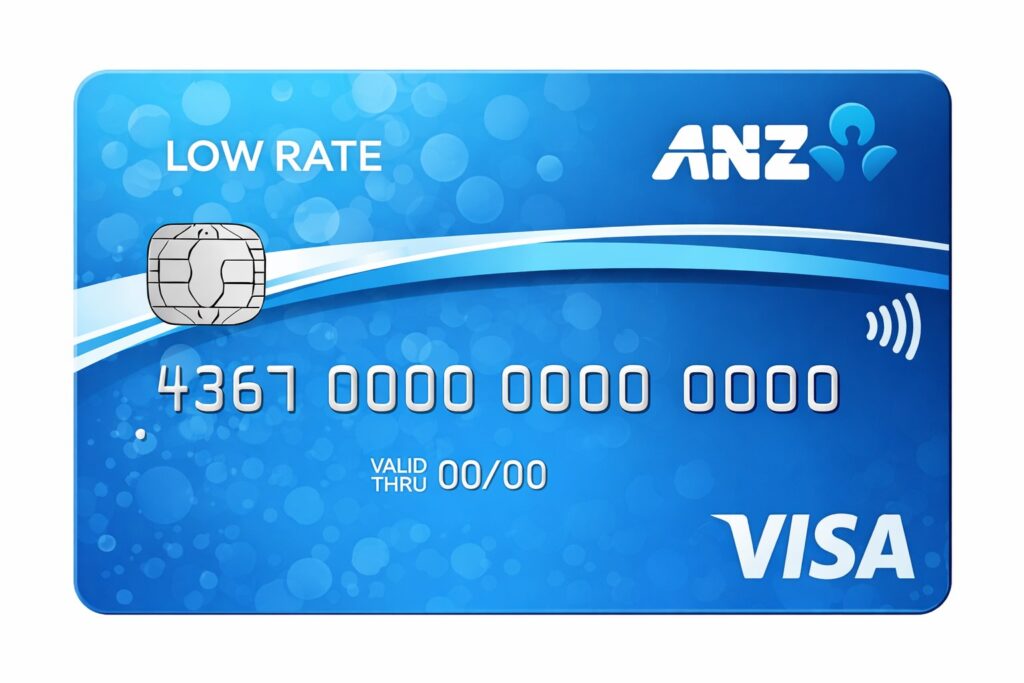
ANZ Low Rate Credit Card
The ANZ Low Rate Credit Card is designed for people who are determined to get out of debt in 12 months.
The headline feature is a 0% p.a. balance transfer period for 12 months. This means that for 12 months, any credit card debt that you move across to this card accrues no interest, giving you a clear, finite period to focus on paying down what you already owe. Not that a balance transfer fee (typically around 3%) applies when the debt is moved, but after that, interest stays at zero for the promotional period. (So essentially, you are paying 3% in interest for 12 months, which is a heck lot cheaper than most credit cards that charge 21%).
Once this 12-month ‘breather’ window finishes, the card’s features still remain attractive. The ongoing interest rate on purchases is low by credit-card standards (around the mid-13% range), and the annual fee is modest (around $58) – much cheaper than rewards cards that charge hundreds of dollars a year for benefits many debt-holders often never fully use.
There are no rewards points, cashback schemes or travel perks attached to this card. That absence is intentional. Rewards cards tend to encourage spending; this card discourages it. You still get up to 55 days interest-free on purchases if you pay your statement balance in full each month, which is useful for basic cash-flow management, but the design assumption is that you are not adding new spending while paying down old debt.
Bankwest Breeze Mastercard
The Bankwest Breeze Mastercard is designed for people who are carrying credit card debt need two years to pay it down without interest eating away at their repayments. It is not a rewards or lifestyle card.
The key feature is a 0% p.a. balance transfer period of up to 24 months on eligible balances transferred from non-Bankwest credit cards. This gives you up to two years where your existing debt does not accrue interest, allowing every repayment you make to reduce the balance itself. A one-off balance transfer fee of 3% applies when the balance is moved across and is added to your card balance at the start.
Once the 24-month interest-free period ends, any remaining transferred balance is charged the card’s ongoing purchase interest rate of 12.99% p.a. That rate also applies to new purchases if you carry a balance from month to month. If you pay your statement balance in full by the due date, you can still access up to 55 days interest-free on purchases, which can help with short-term cash-flow management while you focus on clearing debt.
The card keeps ongoing costs low. The annual fee is modest – $49 for the Classic version or $59 for the Platinum – which is significantly cheaper than most rewards cards. There is no rewards or points program, which is a deliberate design choice: the card is built to reduce debt, not encourage additional spending.
The Platinum version adds a few practical extras, including no foreign transaction fees and complimentary insurances such as overseas travel insurance and purchase protection. These are useful if you want some protection without stepping up to a high-fee rewards card, but they are secondary to the card’s core purpose.
The Bankwest Breeze Mastercard is best suited to people who already have credit card debt and want a long, structured reset period, low fees, and fewer distractions. It works best when used with discipline – transferring existing debt, avoiding new spending where possible, and using the interest-free window to bring the balance steadily down to zero.
In short, this is a practical debt-reduction tool. It won’t flatter you with points or perks, but for someone serious about getting out of credit card debt, it offers time, predictability, and lower costs – which is exactly what matters.
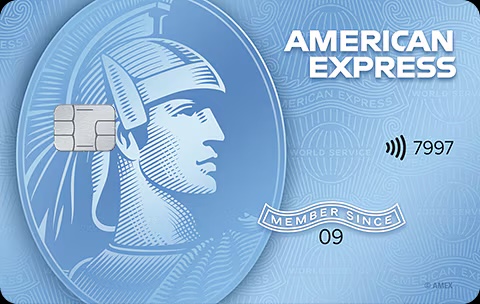
American Express Low Rate Credit Card
The American Express Low Rate Credit Card is built for people who are carrying credit card debt and who want a low cost card – low interest and low fees.
The central feature is a 0% p.a. balance transfer offer for up to 12 months on eligible balances moved from non-American Express cards. There is no balance transfer fee, which is an important distinction: every dollar you transfer goes directly toward the balance you’re trying to pay down, rather than being inflated by an upfront charge. During the introductory period, transferred balances accrue no interest.
After the 0% period ends, any remaining balance is charged the card’s ongoing purchase interest rate of around 12.99% p.a. This same rate applies to purchases if you do not pay your statement balance in full. If you do clear your balance each month, you still receive up to 55 days interest-free on purchases, which can help with short-term cash flow while you are focused on eliminating existing debt.
The card’s fee structure is deliberately light. There is no annual fee, which keeps the ongoing cost of holding the card at zero – a meaningful advantage for people trying to simplify their finances. There are also no rewards points, cashback offers, or travel perks attached. This is intentional: the card is not designed to incentivise spending, only to make debt cheaper and easier to manage.
One practical consideration is acceptance. American Express is widely accepted in Australia, but not universally. For some people, this actually works in the card’s favour: fewer acceptance points can reduce temptation to spend while you are paying down debt.
In essence, the American Express Low Rate Credit Card is a great card. It doesn’t try to charm you into spending more. Used properly, it gives you a year of breathing room, low ongoing costs, and a straightforward path back to zero – which is exactly what someone carrying credit card debt needs.

New Times does not offer personal financial advice.
The information on this site is general and intended to support long-term decision-making, not short-term optimisation.
We focus on products that make sense when held and used over time, rather than strategies that involve repeatedly switching cards to capture bonuses. While switching can occasionally be worthwhile, it often comes with hidden costs – time, effort, missed benefits, and higher fees – that are rarely discussed.